
Ground Floor vs Second Storey House Extensions

When your home no longer meets your family's needs, extending can be a practical alternative to moving. Understanding the ground-floor vs. second-storey house extension debate can help you choose the best option for your property, lifestyle, and budget.
Space, Layout and Lifestyle Benefits
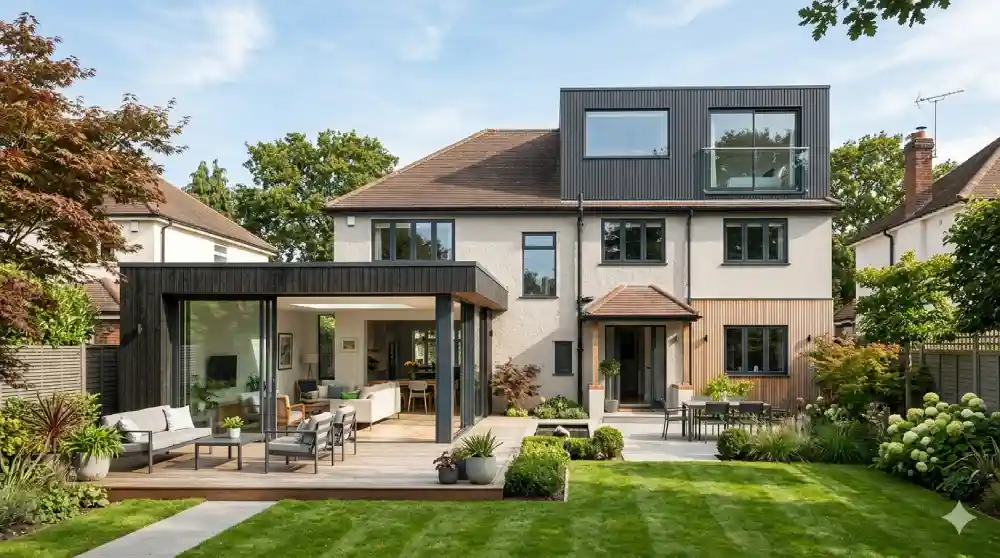
Ground floor extensions are ideal for creating larger living areas, open-plan kitchens, or seamless indoor-outdoor spaces. They work well on properties with available land. With a ground-floor extension, you can often achieve a direct connection to your garden or outdoor entertaining area.
In contrast, second-storey additions maximise living space without reducing your yard, making them perfect for smaller sections. Whether you're building an extension for a growing family or improved functionality, the right design should complement the way you live.
Cost Differences of Ground Floor vs Storey House Extension
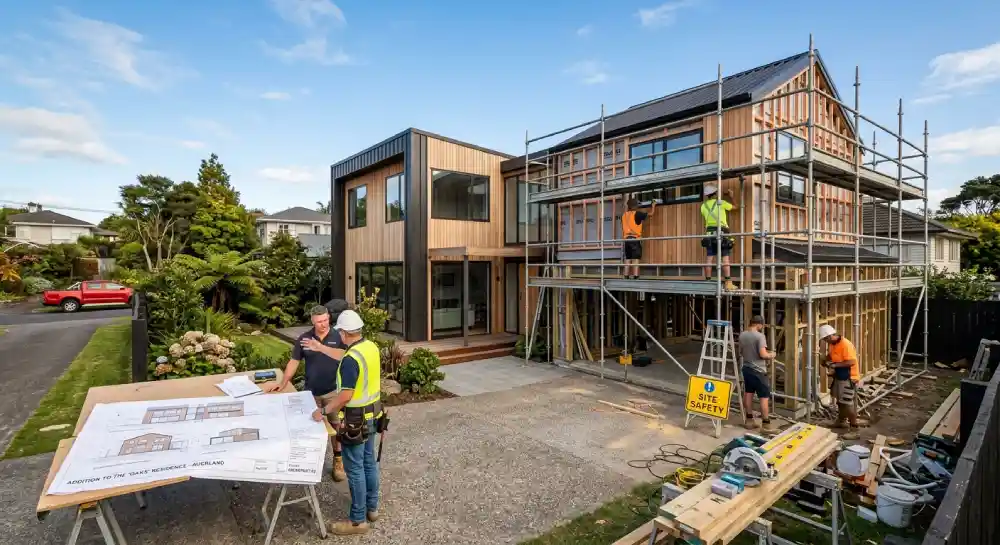
Ground floor extensions are often simpler to construct, but costs can vary depending on site preparation and foundation work. Second-storey additions may involve structural upgrades to support the extra level, which can increase overall project costs.
Construction Timeline and Level of Disruption
Ground-floor projects generally offer easier site access, while second-storey builds can involve more extensive structural work. Both options may require temporary lifestyle adjustments during construction.
Which House Extension Adds More Value?
The answer depends on your location, property size, and buyer demand. A well-designed extension can significantly improve functionality, street appeal, and long-term property value.
Ready to Expand Your Home?
Advantage Projects specialises in tailored solutions for building an extension on a house that maximise space, value, and liveability. Contact our team today to discuss your renovation goals and bring your vision to life.